Riding the City – The urban future of surfing
Today's rapid surfing — Surfing on standing river waves — has developed over decades from a combination of surf culture, local conditions, and technological innovation.

It all began with a wave — and became a passion
What today is celebrated as urban surf culture began in the 1970s at the Eisbach in Munich. From an artificial weir in the river—originally intended for water regulation—arose the legendary Eisbach Wave. Inspired by ocean surfing, pioneers with self-made equipment dared into the current, often secretly and against official regulations. What started as illegal, with passion, creativity, and perseverance, became the cradle of modern rapid surfing. Today the wave is not only tolerated but a world-famous surf spot—perfected by the community itself.
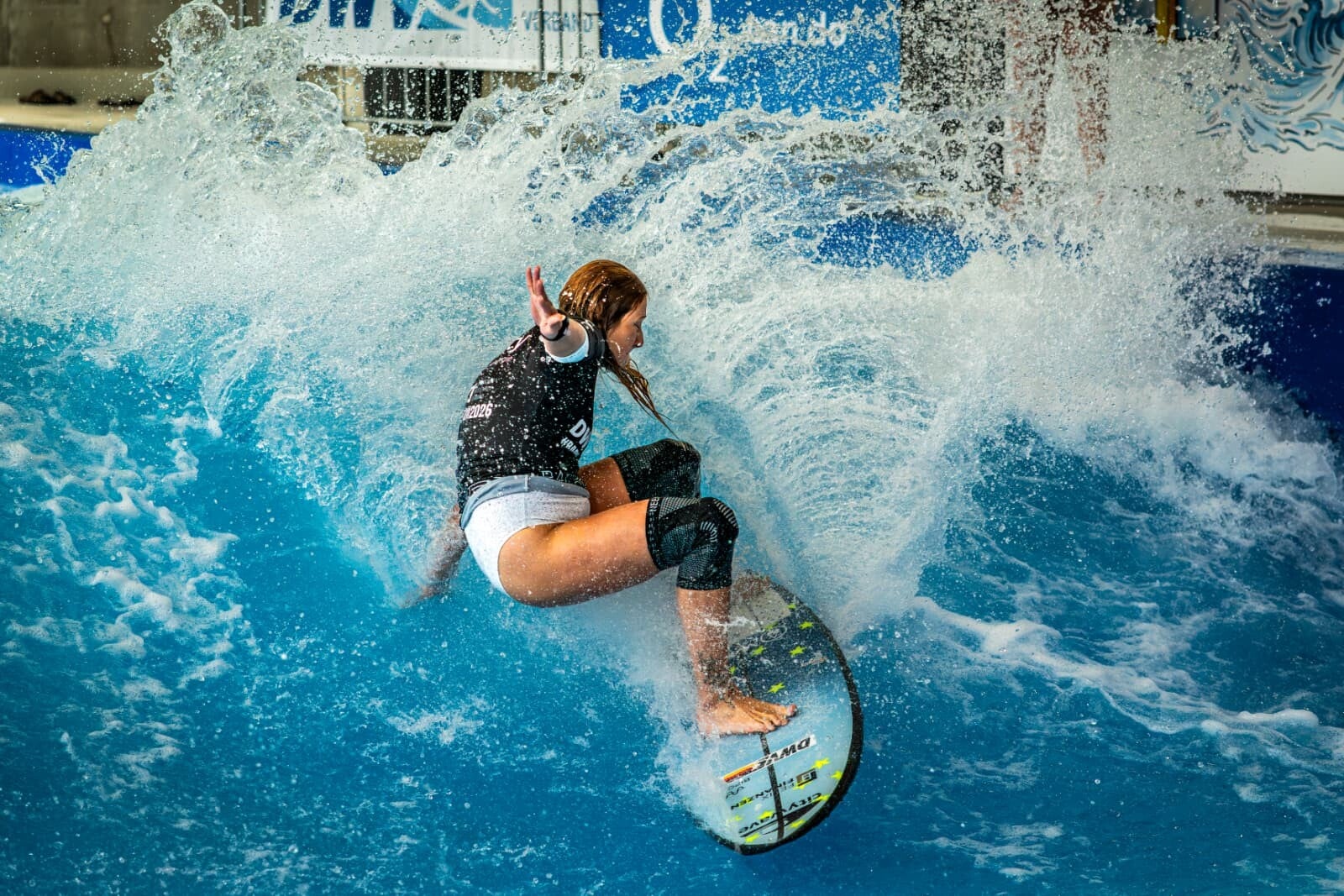
From Munich to the metropolises - urban surfing without borders
With the start of the 2000s, rapid surfing moved away from its riverbed origins: innovative technologies like Citywave made surfing on standing waves predictable, scalable, and globally accessible. Whether in shopping centers, indoor arenas, or urban parks, rapid surfing became independent of natural bodies of water and reached a new level.
What began as a subculture in Europe is now a global trend — with artificial wave facilities on several continents and a growing international community.

Recognized. Supported. Future-ready.
Rapidsurfen is more than a trend — it’s a movement just beginning to unleash its full potential. The development of recent years clearly shows: the sport is becoming professional, growing rapidly — and becoming increasingly visible. Since 2024, most national and international contests have been live-streamed on Twitch — with a rapidly growing number of viewers and an active community. Large brands are also recognizing the potential and are investing in emotional visibility, urban lifestyle, and athletic dynamism.
A big milestone - Rapid Surfing is now officially a European discipline
Rapid Surfing as a new European discipline - Since 2019, the DWV has been hosting German Championships in this young sport. The last event once again confirmed that rapid surfing is on the rise in Germany and Europe – the European Surfing Federation has already announced that the first European Championship in Rapid Surfing will be held in 2026. Many dedicated people, clubs and associations from several European countries, have worked together on this – and have taken an important step toward professionalizing the sport at the European level.

German Surfing Association (DWV)
Rapidsurfing is officially anchored as its own discipline within the German Surfing Association (DWV). As a national umbrella federation recognized by the Olympic Sports Confederation, the DWV actively promotes athletes, organizes national competitions such as the German Rapid Surfing Championship, and creates structures for youth and elite sports. A strong sign for the future of rapid surfing.

european Surfing federation (ESF)
The European Surfing Federation (ESF) is a umbrella organization that coordinates national surfing federations across Europe. The ESF works to promote European surfing by developing rules, supporting youth development, and ensuring safety. THE ESF also coordinates continental season highlights such as the European Championships, ranking events, and qualification pathways for global events.